
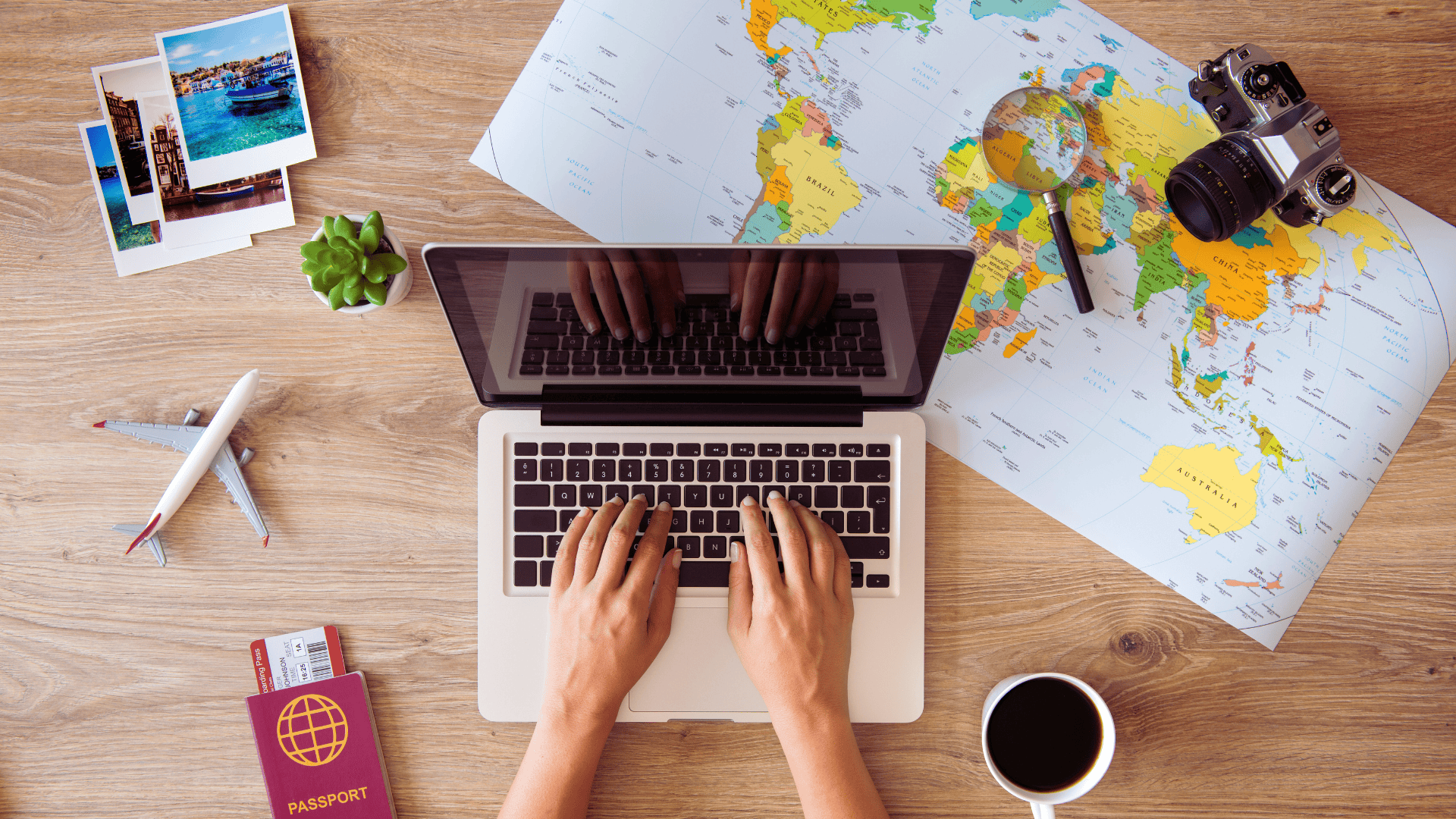
Planning a trip can feel overwhelming, but breaking it down into manageable steps makes the process clear and achievable. The essential steps include deciding on a destination, setting a budget, booking transportation and accommodations, and creating an itinerary.
Starting with a clear plan helps avoid last-minute stress and ensures you make the most of your time and resources. This guide will walk through each step in a straightforward way, so you can confidently prepare for your next adventure.
Define Your Travel Goals
Setting clear objectives at the start shapes the entire planning process. Knowing why you travel, where you want to go, and how long you’ll stay helps create a focused and practical itinerary.
Identify the Purpose of Your Trip
Understanding the main reason for your trip guides every decision. Whether it’s relaxation, adventure, cultural exploration, or business, the purpose affects your budget, activities, and destinations.
For example, a vacation aimed at rest might prioritise quiet resorts and spa experiences. A trip focused on adventure could involve hiking or extreme sports. Clarity in this area prevents wasted time and mismatched expectations.
Make a list of specific motivations. Include reasons like visiting family, attending an event, or discovering new cuisine. Prioritise them so your trip reflects what matters most.
Determine Destinations of Interest
The choice of destination depends largely on your travel goals and interests. Consider climate, language, safety, and accessibility. Research whether a place fits your purpose, such as historical sites for culture or beaches for relaxation.
Create a shortlist of locations that excite you. Use criteria like distance, costs, and activities. Mapping these options helps visualise travel routes and identify potential overlaps or conflicts.
Review travel advisories and entry requirements for each destination. Being thorough prevents last-minute surprises and ensures your choices remain realistic.
Decide on Length of Stay
The time you allocate impacts your itinerary depth and pace. Short trips require prioritising key experiences, while longer stays allow for slower exploration or rest days.
Factor in travel time between destinations, along with the overall duration you can afford. Balance busy days with downtime to avoid burnout.
Be mindful of visa limits or seasonal considerations affecting how long you can stay. Aligning your schedule with these factors avoids complications and maximises trip enjoyment.
Establish a Realistic Budget
Creating a budget requires understanding the full scope of trip expenses. This involves calculating expected costs, setting daily limits, and preparing for unexpected risks. Accurate budgeting helps avoid overspending and reduces stress during travel.
Calculate Total Trip Costs
Start by listing all major expenses, including transportation, accommodation, meals, and activities. Use current prices from reliable sources such as airline websites and hotel booking platforms. Add costs for visas, travel insurance, and local transportation.
Include fees for entry tickets or tours you plan to join. Multiply daily meal costs by the number of days, adjusting for any special meals or dining experiences. Sum all amounts to get a clear picture of your total trip cost.
Plan Daily Spending Allowance
Divide your budget by the number of travel days to set a daily spending limit. This includes meals, local transport, souvenirs, and minor entertainment expenses. Track spending closely to stay on budget.
Use a budget app or a simple spreadsheet to monitor daily expenses. Prioritise spending on essentials and activities that provide the most value. Adjust your allowance as needed, but avoid exceeding it to keep your trip financially manageable.
Factor in Emergencies
Set aside an emergency fund equal to at least 10-20% of your total trip budget. This covers unexpected costs like medical care, lost luggage, or sudden travel changes. Keep this money separate and accessible at all times.
Consider purchasing travel insurance that includes emergency coverage. Having a financial cushion reduces risks and helps handle unforeseen situations without disrupting your plans.
Set Travel Dates and Duration
Setting travel dates and determining the trip length requires balancing weather, costs, and personal schedules. Timing impacts availability, prices, and your overall experience.
Choose Travel Season
Selecting the right season is crucial for comfort and budget. Consider the climate; if visiting a tropical destination, avoid the rainy season to maximise outdoor activities. For colder places, decide if you prefer winter sports or mild weather.
Peak travel seasons often mean higher prices and crowded attractions. Travelling during shoulder seasons—just before or after peak times—can reduce costs and offer a quieter experience. Research average temperatures and precipitation for your destination by month to pick the ideal weather.
Check for Local Events or Festivals
Local events can enhance your trip or cause inconveniences. Major festivals may increase accommodation and flight costs due to demand. They can also lead to crowded public spaces and longer wait times.
However, some travellers seek out festivals for unique cultural experiences. Use event calendars specific to the city or region you plan to visit. Note dates, locations, and event types to see if they align with your interests or affect your travel plans.
Research Your Destination
Planning a trip begins with gathering detailed information about where you will go. Focus on identifying key sites, local etiquette, and practical safety measures. This research helps create a clear picture of what to expect and how to prepare.
Investigate Must-See Attractions
Start by listing the main attractions that interest you. Use official tourism websites, travel guides, and review platforms like TripAdvisor. Prioritise landmarks, museums, parks, and unique local experiences relevant to your interests.
Check opening hours, entrance fees, and any seasonal restrictions. Identify if advance booking or guided tours are needed to avoid long waits or sold-out entries. Also, consider proximity between sites to plan a feasible daily itinerary.
Understand Local Culture and Customs
Learn about cultural norms such as greetings, dress codes, and tipping practices. Understanding these details shows respect and avoids misunderstandings. For example, some countries require covering shoulders or removing shoes before entering homes and temples.
Research local language basics, common phrases, and gestures. This prepares you for simpler communication and smoother interactions with residents. Pay attention to public behaviour rules, holidays, and any sensitivity around topics like religion or politics.
Review Safety and Health Requirements
Check travel advisories from government sites to assess current safety conditions. Look for updates on crime rates, political stability, and natural hazards in the area. Knowing risks helps in making informed decisions about accommodation and transportation.
Investigate mandatory or recommended vaccinations, health insurance options, and availability of medical facilities. Carry a list of emergency contacts, including local embassies and hospitals. Packing a basic first aid kit tailored to your destination is also advisable.
Book Transportation Details
Transportation booking is a crucial part of trip planning. It involves securing your primary travel mode and arranging local transfers to ensure smooth movement throughout your journey.
Secure Flights or Trains
Start by comparing prices and schedules from multiple airlines or train operators. Use official websites or trusted booking platforms to confirm availability and avoid hidden fees. Book tickets early to secure better rates and seats.
Pay attention to baggage policies, cancellation rules, and seat selection options. Note departure and arrival times carefully, including connections or layovers that might affect your itinerary. Keep digital and printed copies of your tickets handy.
Sign up for alerts to track any changes or delays. If travelling internationally, verify passport and visa requirements linked to your transport. Confirm your booking a few days before departure to avoid surprises.
Arrange Ground Transportation
Identify how you will get from airports or train stations to your accommodation and major destinations. Options include taxis, rideshare services, shuttles, public transit, and car rentals.
Research local transport costs and schedules in advance. Pre-booking a rental car or airport shuttle saves time upon arrival. Check if your accommodation offers free or paid transfers.
If renting a car, verify insurance coverage and driving rules for the area. Prepare payment methods accepted locally, such as credit cards or cash. For public transit, download route maps or apps to assist navigation.
Reserve Accommodations
Choosing the right place to stay impacts both comfort and convenience during your trip. Evaluate different accommodation options carefully and factor in location and available amenities to meet your needs effectively.
Compare Accommodation Types
Start by reviewing various accommodation types such as hotels, hostels, vacation rentals, and boutique inns. Hotels offer consistent services and usually include amenities like daily housekeeping and room service. Vacation rentals provide more space and a kitchen, but may lack daily cleaning.
Hostels suit budget travellers and often have social common areas. Consider your budget, the duration of your stay, and the level of privacy you require. Reading recent guest reviews can reveal cleanliness, safety, and hospitality standards that matter.
Create a comparison chart listing price per night, included services, and cancellation policies. This helps in making an objective choice rather than relying solely on price or brand.
Consider Location and Amenities
The location of your accommodation should align with your itinerary. Staying near public transportation, main attractions, or business districts can save travel time and costs.
Check for essential amenities such as Wi-Fi, breakfast options, parking, or access to fitness centres. If travelling with family, look for family-friendly facilities like cribs or play areas. For business travellers, in-room workspaces and reliable internet are crucial.
Use maps to verify proximity to your points of interest. Some accommodations include shuttle services, which can add convenience. Confirm whether the location feels safe, especially for nighttime returns.
Plan Daily Activities and Sightseeing
Organising how you spend each day during your trip maximises efficiency and enjoyment. Prioritising destinations, allocating sufficient time, and securing necessary bookings help avoid last-minute stress and missed opportunities.
Create an Itinerary
Start by listing the main attractions or experiences you want to include each day. Group activities by location to reduce travel time and avoid backtracking.
Use a simple format like this:
| Time | Activity | Location | Notes |
| 9:00 AM | Museum visit | City Center | Allocate 2 hours, pick up tickets beforehand |
| 12:30 PM | Lunch | Nearby Café | Try local specialities |
| 2:00 PM | Park walk | Central Park | Plan 1 hour |
Leave buffer times for meals, rest, and unexpected delays. Adjust your itinerary based on opening hours and travel distances. Digital apps or printed lists both work well.
Book Tours and Tickets in Advance
Secure tickets for popular landmarks and tours online before departure to avoid lines and sold-out dates. Many sites offer timed entry, which helps manage your schedule smoothly.
For guided tours, compare options and read reviews to ensure quality. Confirm cancellation policies in case plans change.
Tips:
- Book major attractions at least a week in advance.
- Use official websites or trusted platforms.
- Print or save digital confirmations to your phone.
This preparation minimises time wasted and helps you stick to your daily plan.
Prepare Travel Documents and Requirements
Travelling requires securing specific documents and meeting legal requirements. Confirming identification validity, arranging appropriate permissions, and protecting your trip through insurance are critical steps to avoid disruptions.
Check Passport Validity
Make sure your passport is valid for at least six months beyond your planned return date. Many countries enforce this rule strictly to allow entry.
If your passport is near expiration, apply for renewal immediately. Processing times vary, so checking with your issuing authority early prevents potential delays.
Keep both physical and digital copies of your passport page. This aids identification if the original is lost or stolen during the trip.
Obtain Visas if Necessary
Research the visa requirements for your destination well in advance. Countries often have different types depending on the trip’s purpose and duration.
Apply for visas online or at embassies as specified. Provide accurate information and required documents such as invitation letters, financial proofs, or travel itineraries.
Keep track of visa processing times; some may take weeks. Plan accordingly to avoid last-minute complications or denied entry.
Organise Travel Insurance
Purchase travel insurance that covers medical emergencies, trip cancellations, and lost belongings. This reduces financial risks associated with unforeseen events.
Review policies carefully, noting coverage limits and exclusions. Some destinations require proof of insurance for entry, particularly related to COVID-19.
Store your insurance information digitally and physically. Having quick access when needed can expedite emergency assistance.
Pack Strategically for the Trip
Packing efficiently saves time, reduces stress, and ensures you have everything needed. Key elements include preparing a detailed list, understanding baggage rules, and selecting essential travel gear.
Make a Packing List
Start by listing items based on your destination’s climate and activities. Separate categories like clothing, toiletries, electronics, and documents.
Use a digital checklist app or a simple paper list to track everything. Prioritise versatile clothing that can be mixed and matched. Include extra socks and underwear for convenience.
Check your list twice before packing to avoid forgotten essentials. Adjust it based on trip length and specific needs, such as formal wear or gear for outdoor adventures.
Check Baggage Requirements
Review airline baggage policies before packing. Note the weight limits and size restrictions for both checked and carry-on luggage to avoid extra fees.
Verify what items are prohibited or require special handling. For example, liquids over 3.4 ounces (100 ml) are not allowed in carry-ons for U.S. flights.
Consider airport security rules as well. Knowing these details helps you pack efficiently and prevents surprises at check-in or security checkpoints.
Include Essential Travel Gear
Pack items that enhance comfort and convenience during travel. Important gear includes a travel pillow, reusable water bottle, power adapters, and noise-cancelling headphones.
Bring a compact first aid kit and any necessary medications. Use packing cubes or compression bags to save space and organise your belongings.
Don’t forget travel documents like passports, boarding passes, and copies of reservations. Keep these in a secure and easily accessible place.
Organise Finances and Communications
Managing your money and staying connected are essential parts of travel preparation. Taking steps to inform your bank and arranging mobile service will protect your finances and keep you reachable throughout your trip.
Notify Bank About Travel
Contact your bank or credit card companies at least one week before departure. Provide the dates and locations of your travel. This avoids your card being frozen due to suspicious activity.
Use your bank’s website or mobile app to set travel alerts if available. Some banks allow you to specify countries, which minimises disruptions. Confirm international transaction fees and daily withdrawal limits.
Carry backup payment methods, such as a second credit card or some local currency. Keep emergency bank contact information handy in case you encounter problems during your trip.
Set Up International Cell Service
Check with your mobile carrier on international plans to avoid high roaming charges. Many providers offer prepaid SIM cards or travel-specific packages with voice, text, and data options.
Before leaving, enable international roaming and configure your phone’s network settings. Download necessary apps to communicate over Wi-Fi if cellular service is limited.
Consider purchasing a local SIM card upon arrival if you plan an extended stay. Verify device compatibility and unlocking policies to ensure smooth setup. Always keep your original SIM card safe for when you return.
Finalise Pre-Departure Checklist
Before you leave, double-check key details to avoid surprises. Ensuring everything is booked and travel documents are accessible is critical for a smooth start.
Confirm Reservations
Verify all reservations, including flights, accommodations, transportation, and activities at least 48 hours before departure. Contact providers directly or check online portals for any updates or changes.
Note confirmation numbers, check-in times, and cancellation policies. Ensure payment has processed to avoid last-minute issues.
Keep all reservation informatioorganiseded in one place, either digitally or in print, for quick access during travel. This reduces stress and saves time at each step of your itinerary.
Print or Download Travel Documents
Gather and organise all essential travel documents such as boarding passes, hotel vouchers, visa approvals, and rental car confirmations.
Download electronic copies on your phone and save PDFs to a cloud service or external drive. Printing physical copies serves as a reliable backup.
Include identification documents like a passport and a driver’s license alongside your itinerary. Having multiple accessible formats prevents delays in case of technical issues or network problems.
Tips for Adapting Plans During Your Trip
Adjusting plans during a trip requires quick thinking and practical solutions. Being prepared for changes can prevent stress and keep your travel experience enjoyable.
Stay Flexible with Itinerary
A rigid schedule often causes frustration when things do not go as planned. Leave buffer time between activities to accommodate delays or spontaneous opportunities. For example, if a museum is unexpectedly closed, having a flexible day allows switching to a nearby park or local event without hassle.
Keep digital copies of important documents and reservations to quickly modify bookings if needed. Use apps that offer alerts about weather, transport, or attraction changes to stay informed. Prioritise must-see activities but remain open to substituting plans based on circumstances.
Handle Unexpected Changes
Unexpected issues like cancelled flights or bad weather require immediate action. Contact your accommodation and transport providers promptly to explore rescheduling or refunds. Document expenses and changes for potential claims with travel insurance.
Maintain a list of local emergency contacts and backup accommodation options. If communication is limited, visiting local tourist offices can provide assistance and current information. Stay calm and assess options logically to make the best decision for your situation.


